7 Steps to Successfully Build Your MVP from Scratch
Ghayoor Zafar, Marketing Manager
- Published
- Feb 19, 2024
- Read Time
- 10 Min Read
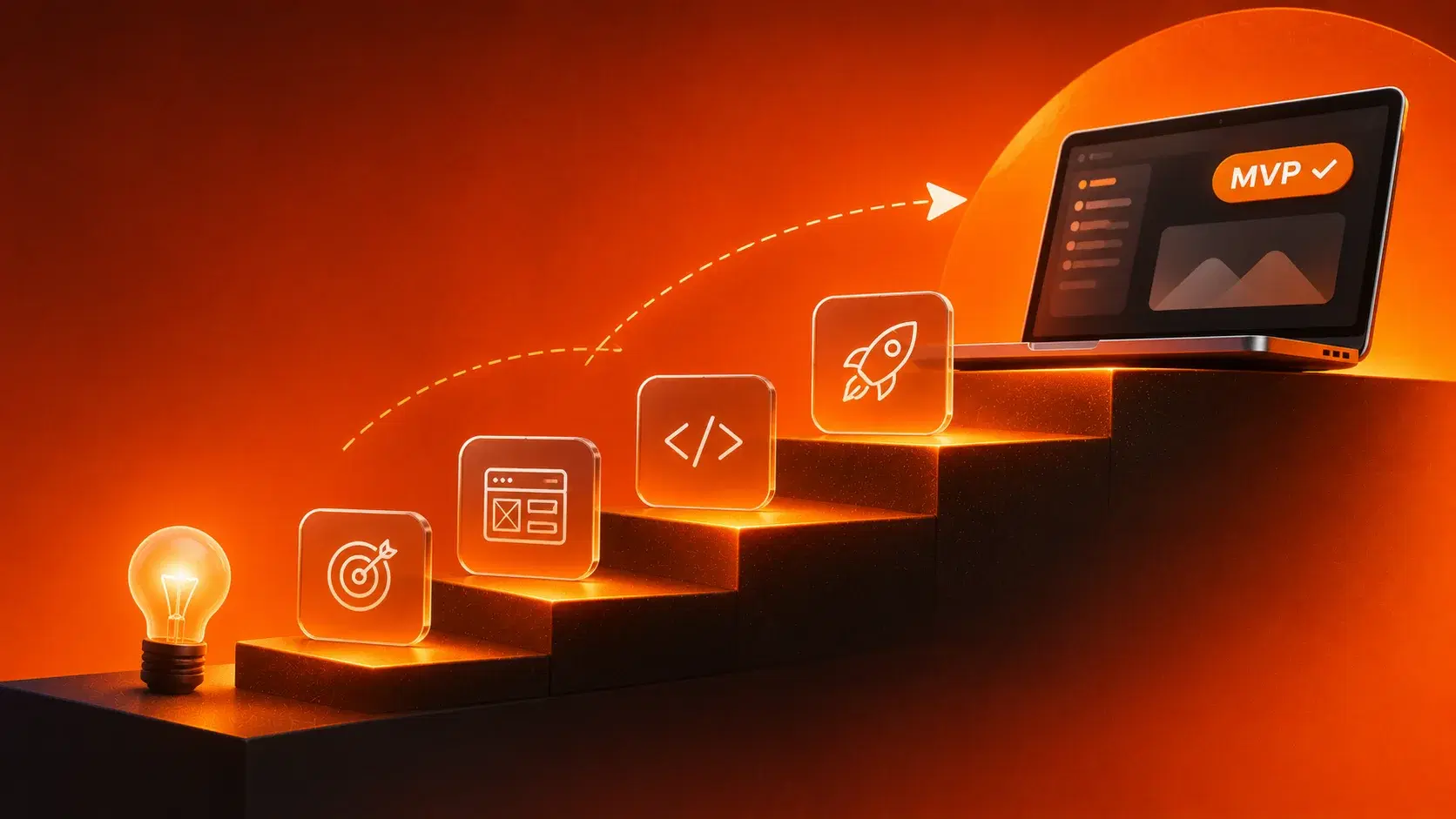
Are you an aspiring entrepreneur looking to turn your innovative idea into a successful Minimum Viable Product (MVP)?
Building an MVP from scratch can be an intimidating task, but with the right steps and strategies, you can set yourself up for success. In this article, we will walk you through seven essential steps to help you successfully build your MVP from scratch.
From defining your target audience and identifying their pain points to conceptualizing your product and creating a solid roadmap, each step plays a crucial role in ensuring the success of your MVP.
We will delve into the importance of developing a clear value proposition and conducting thorough market research to validate your idea. Additionally, we will guide you through the process of creating a compelling user interface and user experience, as well as effectively marketing your MVP to gain valuable feedback.
By following these seven steps, you will be able to navigate the challenges of building an MVP, increase your chances of attracting early adopters, and lay the foundation for scalable growth.
So, let’s dive in and start your journey towards MVP success!
01 Understanding the concept of Minimum Viable Product (MVP)
A Minimum Viable Product (MVP) is a version of your product that has just enough features to satisfy early adopters and gather valuable feedback for future iterations. It allows you to test your idea in the market with minimal resources and helps you validate your assumptions before investing heavily in development.
The key here is to focus on the core functionality of your product and deliver it to your target audience as quickly as possible.
02 Why building an MVP is crucial for startups
Building an MVP is crucial for startups because it allows you to minimize the risk of failure and maximize the chances of success. By releasing a simplified version of your product, you can gather real-world data and feedback that will help you make informed decisions for future development. This iterative approach not only saves time and resources but also ensures that you are building a product that addresses the actual needs of your target audience.
03 Step 1: Define your target audience and their pain points
Before diving into the development of your MVP, it is crucial to define your target audience and identify their pain points. Understanding your audience’s needs and challenges will help you create a product that solves a real problem and provides value.
Conduct thorough market research to identify your target demographic, their interests, and their pain points. This will enable you to tailor your MVP to meet their specific needs and increase the chances of early adoption.
04 Step 2: Conduct market research and competitor analysis
Market research and competitor analysis play a vital role in the success of your MVP. By analyzing your competitors, you can identify gaps in the market and develop a unique value proposition for your product. Look for similar products or services in your industry and study their strengths and weaknesses.
This will give you insights into what works and what doesn’t, allowing you to position your MVP effectively in the market.
Additionally, conduct market research to understand the current trends, customer preferences, and potential demand for your product. This information will help you make data-driven decisions and ensure that your MVP aligns with market needs.
05 Step 3: Identify the core features of your MVP
Once you have a clear understanding of your target audience and the market landscape, it’s time to identify the core features of your MVP. Focus on the functionalities that will deliver the most value to your users and solve their pain points.
Keep in mind that your MVP should be simple and easy to use, so prioritize the features that are essential for the initial version of your product. This will allow you to launch quickly and gather feedback from early adopters.
06 Step 4: Develop a prototype or wireframe
With the core features identified, it’s time to develop a prototype or wireframe of your MVP. A prototype is a visual representation of your product that helps you validate your ideas and gather feedback from potential users.
There are various tools available that can help you create interactive prototypes without writing a single line of code. Use these tools to bring your vision to life and get a better understanding of how your product will look and function.
07 Step 5: Test and validate your MVP with real users
Once you have a working prototype, it’s time to test and validate your MVP with real users. Reach out to your target audience or early adopters and invite them to try your product.
Collect their feedback, observe their behavior, and analyze the data to identify areas for improvement. This user testing phase is crucial as it allows you to uncover usability issues, understand user preferences, and iterate on your MVP before the final release.
08 Step 6: Collect feedback and iterate on your MVP
Based on the feedback and insights gathered from user testing, iterate on your MVP to address any usability issues, improve user experience, and enhance the overall functionality.
This iterative process ensures that your product evolves based on real-world user feedback, making it more effective and appealing to your target audience. Continuously collect feedback, analyze data, and make informed decisions to refine your MVP until it meets the needs and expectations of your users.
09 Step 7: Launch and market your MVP to gain traction
With a refined and validated MVP, it’s time to launch and market your product to gain traction. Develop a comprehensive marketing strategy that includes a mix of online and offline channels to reach your target audience effectively.
Leverage social media platforms, content marketing, influencer collaborations, and search engine optimization to create awareness and generate interest in your MVP. Encourage early adopters to provide testimonials and reviews to build trust and credibility in the market.
10 Conclusion
Building an MVP is the first step towards a successful product launch. By following these seven steps — understanding the concept of an MVP, defining your target audience, conducting market research, identifying core features, developing a prototype, testing with real users, and iterating based on feedback — you can lay a solid foundation for your product’s success.
Remember, the key is to focus on delivering value to your users and continuously improving your MVP based on their needs and expectations. So, start your journey towards MVP success today!
Now, you have a comprehensive guide to help you successfully build your MVP from scratch. By implementing these seven steps, you can navigate the challenges of building an MVP, increase your chances of attracting early adopters, and lay the foundation for scalable growth.
Good luck with your MVP journey!
Was This Article Helpful?