From Beginner to Pro: 7 Essential Steps to Dive into the World of IoT
Ghayoor Zafar, Marketing Manager
- Published
- Feb 22, 2024
- Read Time
- 4 Min Read
Welcome to the fascinating world of the Internet of Things (IoT)!
If you’re a tech enthusiast looking to expand your knowledge or a professional aiming to add IoT skills to your repertoire, this article is here to guide you on your journey from beginner to pro.
In this comprehensive guide, we will walk you through the essential steps to dive into the world of IoT. From understanding the fundamental concepts to mastering the technical aspects, we have got you covered. Our goal is to equip you with the knowledge and skills needed to confidently explore and contribute to this rapidly expanding field.
Get ready to learn about IoT architecture, connectivity protocols, data analytics, and much more.
So, let’s embark on this exciting journey together and unlock the endless potential of the IoT landscape.
01 Understanding the basics of IoT
The first step in your journey towards becoming an IoT pro is to understand the basics of IoT.
IoT refers to the network of interconnected devices that can communicate and exchange data with each other. These devices can be anything from everyday objects like thermostats and light bulbs to complex machinery in industries. The key idea behind IoT is to enable objects to collect and share data, providing valuable insights and automating processes.
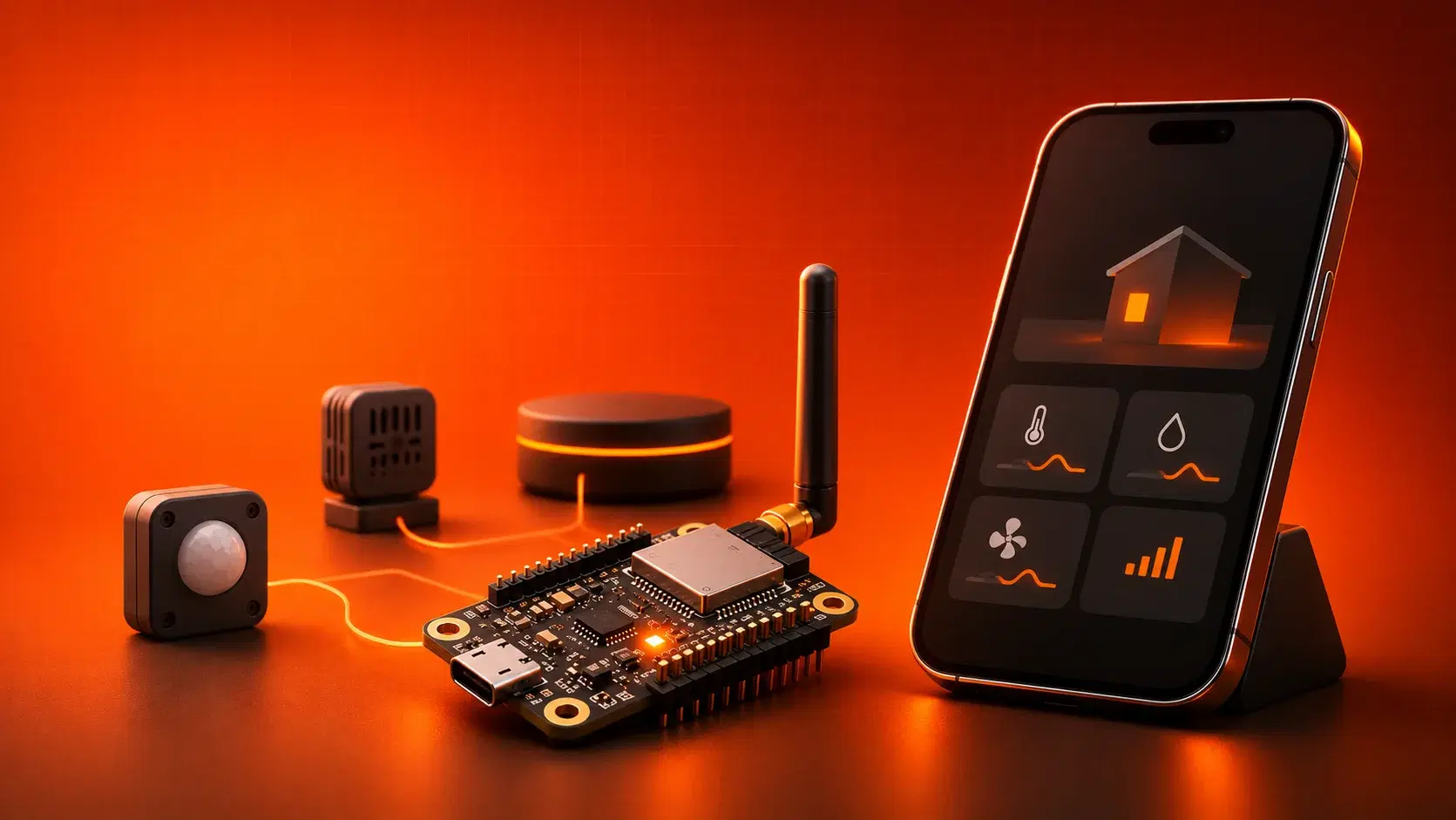
To grasp the concept of IoT, it’s important to understand its underlying technologies. IoT relies on a combination of hardware, software, and connectivity protocols to function. The hardware includes sensors, actuators, and microcontrollers that collect and process data.
The software involves applications and platforms that analyze and manage the data. The connectivity protocols, such as Wi-Fi, Bluetooth, and cellular networks, enable devices to communicate with each other.
By having a solid understanding of these foundational concepts, you will be able to navigate the world of IoT with confidence.
02 Benefits of IoT
Now that you have a good grasp of the basics, let’s dive into the benefits of IoT. The widespread adoption of IoT has brought numerous advantages across various industries and sectors.
One major benefit of IoT is improved efficiency. By connecting devices and collecting data, businesses can optimize processes, reduce waste, and increase productivity. For example, in manufacturing, IoT can enable predictive maintenance, ensuring that machines are repaired before they break down, thereby minimizing downtime and costs.
Another significant benefit of IoT is enhanced safety and security. IoT devices can monitor and detect potential hazards, allowing for quick response and preventive measures. For instance, in smart homes, IoT-enabled security systems can detect intruders, smoke, or carbon monoxide, and alert homeowners or emergency services, ensuring the safety of residents.
Furthermore, IoT has the potential to revolutionize healthcare. Connected medical devices can monitor patients’ vital signs in real-time, enabling remote patient monitoring and providing timely intervention. This not only improves patient outcomes but also reduces hospital readmissions and healthcare costs.
Overall, the benefits of IoT are far-reaching and have the potential to transform industries, improve quality of life, and drive innovation.
03 Common applications of IoT
IoT has found applications in various sectors and industries, transforming the way we live and work. Here are some common areas where IoT is making a significant impact:
1. Smart Homes: IoT technology has revolutionized the concept of smart homes. From smart thermostats that adjust temperature based on occupancy to voice-controlled assistants that control lights and appliances, IoT has made our homes more convenient, energy-efficient, and secure.
2. Industrial Automation: IoT is playing a key role in industrial automation, also known as Industry 4.0. By connecting machines, sensors, and control systems, IoT enables factories to automate processes, monitor equipment performance, and optimize production. This leads to increased efficiency, reduced downtime, and improved overall productivity.
3. Agriculture: IoT is transforming the agriculture industry by enabling precision farming techniques. Connected sensors can monitor soil moisture, temperature, and crop health, allowing farmers to optimize irrigation, fertilization, and pest control. This not only improves crop yield but also reduces resource wastage and environmental impact.
4. Healthcare: IoT is revolutionizing healthcare by enabling remote patient monitoring, personalized medicine, and efficient healthcare delivery. Connected devices can monitor patients’ vital signs, remind them to take medication, and transmit data to healthcare providers in real-time. This allows for early detection of health issues, timely intervention, and improved patient outcomes.
5. Smart Cities: IoT is driving the development of smart cities by connecting infrastructure, utilities, and services. Connected streetlights can adjust brightness based on traffic patterns, reducing energy consumption. Smart waste management systems can optimize garbage collection routes, reducing costs and environmental impact. IoT-enabled transportation systems can improve traffic flow and reduce congestion. These are just a few examples of how IoT is making cities more sustainable, efficient, and livable.
These are just a few examples of how IoT is transforming various industries. The possibilities are endless, and as you dive deeper into the world of IoT, you will discover even more exciting applications.
04 How to get started with IoT development
Follow these steps that I have learned at Sparkleo and you will be the shinning Ray of the rising sun of IoT.
05 Step 1: Research and familiarize yourself with IoT technologies
To embark on your IoT journey, it’s crucial to start with thorough research and familiarize yourself with IoT technologies. Stay updated with the latest trends, news, and developments in the field. Read books, articles, and whitepapers to gain insights into the challenges and opportunities of IoT.
Online resources such as blogs, forums, and social media communities can be valuable sources of information and provide opportunities for networking and collaboration. Engage with experts and professionals in the field to learn from their experiences and gather insights.
By immersing yourself in the world of IoT and building a strong foundation of knowledge, you will be better equipped to navigate the complexities of this rapidly evolving field.
06 Step 2: Choose a specific IoT project or application
With a solid understanding of IoT technologies, it’s time to choose a specific IoT project or application that aligns with your interests and goals. The IoT landscape is vast, and there are countless possibilities to explore. Whether you are passionate about smart homes, healthcare, agriculture, or industrial automation, there is a niche waiting for you.
Consider your skills, expertise, and resources when selecting a project. Start with something manageable and gradually expand your scope as you gain experience. Define clear objectives and outcomes for your project, as this will help you stay focused and motivated throughout the process.
Remember, choosing a specific project allows you to dive deep into a particular domain and gain expertise, which can be valuable for future opportunities.
07 Step 3: Learn about IoT hardware and software components
To bring your IoT project to life, it’s essential to have a good understanding of the hardware and software components involved. IoT hardware typically includes sensors, actuators, microcontrollers, and communication modules. These components enable data collection, processing, and communication.
On the software side, you will need to familiarize yourself with IoT platforms, programming languages, and data analytics tools. IoT platforms provide the infrastructure and tools necessary to connect devices, manage data, and develop applications. Popular IoT platforms include AWS IoT, Microsoft Azure IoT, and Google Cloud IoT.
Programming languages such as Python, JavaScript, and C++ are commonly used in IoT development. Learning how to write code for IoT devices will enable you to customize and enhance their functionality.
Additionally, understanding data analytics is crucial for making sense of the vast amount of data generated by IoT devices. Familiarize yourself with data visualization, data mining, and machine learning techniques to extract valuable insights from IoT data.
By mastering these hardware and software components, you will have the skills to design, develop, and deploy IoT solutions.
08 Step 4: Develop your IoT skills through online courses or workshops
To further enhance your IoT skills, consider enrolling in online courses or attending workshops focused on IoT. Many reputable platforms offer IoT courses, ranging from beginner to advanced levels. These courses cover various topics such as IoT architecture, connectivity protocols, data analytics, and security.
Online courses provide a structured learning environment and often include hands-on projects that allow you to apply your knowledge in real-world scenarios. They also offer the flexibility to learn at your own pace and fit your studies around your schedule.
In addition to online courses, attending workshops and conferences can provide valuable opportunities for networking, learning from industry experts, and staying updated with the latest trends and technologies.
Continuous learning and skill development are crucial in the rapidly evolving field of IoT. By investing time and effort in expanding your knowledge, you will stay ahead of the curve and be well-equipped to tackle the challenges of IoT projects.
09 Step 5: Design and prototype your IoT project
Now that you have gained the necessary knowledge and skills, it’s time to design and prototype your IoT project. This involves planning the architecture, selecting the appropriate hardware and software components, and creating a prototype to test your concept.
Start by defining the requirements and functionalities of your project. Consider the data you want to collect, the actions you want to trigger, and the user interface you want to create. Sketch out the architecture, identifying the sensors, actuators, and communication protocols required.
Once you have a clear plan, start building a prototype using the selected components. This will allow you to validate your concept, test the functionality, and identify any potential issues or improvements.
During the prototyping phase, don’t be afraid to iterate and make adjustments based on feedback and testing results. The goal is to refine your design and ensure that it meets the desired objectives.
10 Step 6: Test, iterate, and refine your IoT solution
After prototyping, it’s time to test, iterate, and refine your IoT solution. Testing is a crucial step to ensure that your project functions as intended and meets the defined requirements. Conduct thorough testing to validate the functionality, performance, and reliability of your IoT system.
Identify any bugs, errors, or performance issues and make necessary adjustments. Iterate on your design based on the feedback and results of the testing phase. This iterative approach allows you to continuously improve your solution and enhance its performance.
Consider involving potential users or stakeholders in the testing process to gather their feedback and insights. Their perspectives can provide valuable input for refining your project and ensuring that it addresses their needs effectively.
11 Step 7: Deploy and scale your IoT project
Congratulations! You have successfully developed and tested your IoT project. Now it’s time to deploy and scale it to a wider audience. Consider the infrastructure requirements for your project, such as cloud hosting, connectivity, and security.
Many IoT platforms provide tools and services to help you deploy and manage your IoT applications. These platforms offer features such as device management, data storage, and analytics, making it easier to scale your project and handle a large number of connected devices.
Ensure that you have proper security measures in place to protect your IoT system from potential vulnerabilities and cyber threats. Implement encryption, authentication, and access control mechanisms to safeguard your data and devices.
As your project gains traction and attracts users, monitor its performance and gather feedback to identify areas for improvement. Continuously iterate and refine your solution to enhance its functionality, user experience, and scalability.
With your IoT project deployed and scaled, you are now ready to explore new opportunities, contribute to the IoT ecosystem, and make a meaningful impact in the world of IoT.
12 Conclusion
Congratulations on completing the journey from beginner to pro in the world of IoT!
By following these essential steps, you have gained a solid foundation of knowledge, mastered the technical aspects, and developed the skills needed to navigate the exciting landscape of IoT.
Remember, IoT is a rapidly evolving field, and continuous learning and exploration are key to staying ahead. Embrace new technologies, keep up with the latest trends, and be open to innovative ideas.
So, go ahead and dive into the world of IoT with confidence. The future of IoT awaits you!
Was This Article Helpful?